

In India, seeking mental health support can sometimes feel difficult due to social stigma or the belief that 'strong people don't need counselling.' At KD Cancer Centre, we want to be very clear: asking for emotional support during cancer is a sign of wisdom, not weakness. Every patient deserves care for their mind as well as their body. All sessions are strictly confidential.
Psycho-oncology is a specialised field focused on the emotional, psychological, social, and behavioural aspects of cancer. Our team helps patients cope with every stage of the cancer journey, from diagnosis through treatment, recovery, and beyond.
Early identification of emotional and psychological challenges — done routinely, not just when you ask.
One-on-one sessions focused on emotional well-being, coping strategies, and personal resilience.
For patients dealing with tobacco, gutka, pan masala, alcohol, or substance use, de-addiction support is a core part of cancer prevention and treatment at KD Cancer Centre.

Support for families coping with loss and emotional transitions.

Compassionate care focused on dignity, comfort, and emotional peace during the most difficult times.

Support for life after treatment — including body image concerns (hair loss, stoma, prosthesis, weight changes), return to work, and rebuilding social life.
In India, a cancer diagnosis affects not just the patient but the entire family system. Children may feel frightened and confused. Spouses may feel helpless and exhausted. Parents may feel guilt. Our psycho-oncology team provides support to family members, including children, helping the whole family navigate this journey together.
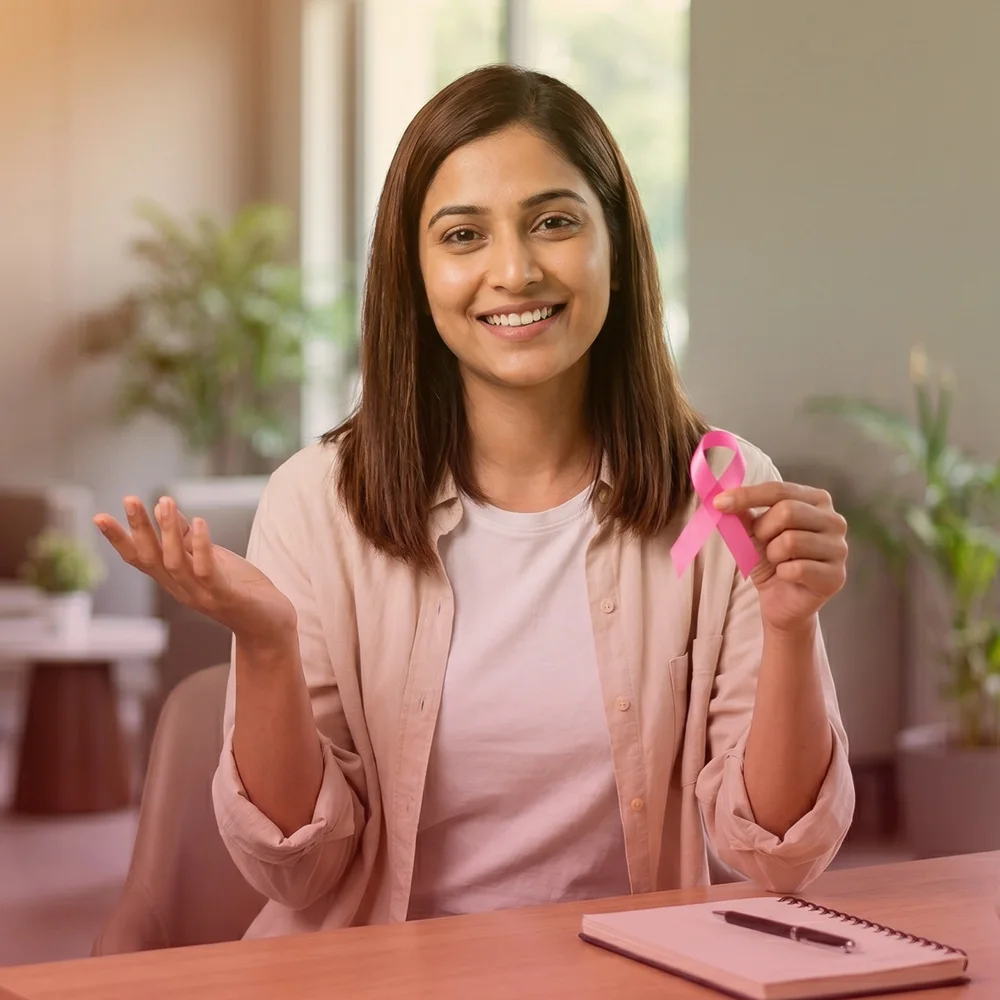
Yes, absolutely. A cancer diagnosis can be overwhelming, and feelings like fear, anxiety, sadness, or even anger are completely normal. You do not have to handle these emotions alone—support is available and can make a significant difference.
You can seek support at any stage—right from diagnosis to treatment, recovery, or even survivorship. If your emotions are affecting your daily life, sleep, relationships, or decision-making, it is a good time to reach out.
Yes. All psycho-oncology sessions are strictly confidential. Your privacy and comfort are our top priorities, and your information is shared only with your consent, when necessary for your care.
Yes. Cancer affects the entire family, not just the patient. Counselling is available for caregivers, spouses, parents, and even children to help them cope, communicate better, and feel supported.
Yes. Patients who receive emotional and psychological support often cope better with treatment, experience less distress, and are more likely to follow their treatment plans effectively.
You can expect a safe, non-judgmental space where you can openly share your thoughts and feelings. The counsellor will listen, guide you, and help you develop coping strategies at your own pace.
Yes. Many survivors experience fear of recurrence or difficulty adjusting to life after treatment. Psycho-oncology support helps you rebuild confidence, manage uncertainty, and move forward with a better quality of life.
Not at all. Seeking help is a sign of awareness and strength. Taking care of your mental health is just as important as treating a physical illness.
© KD Cancer Centre. All Rights Reserved.