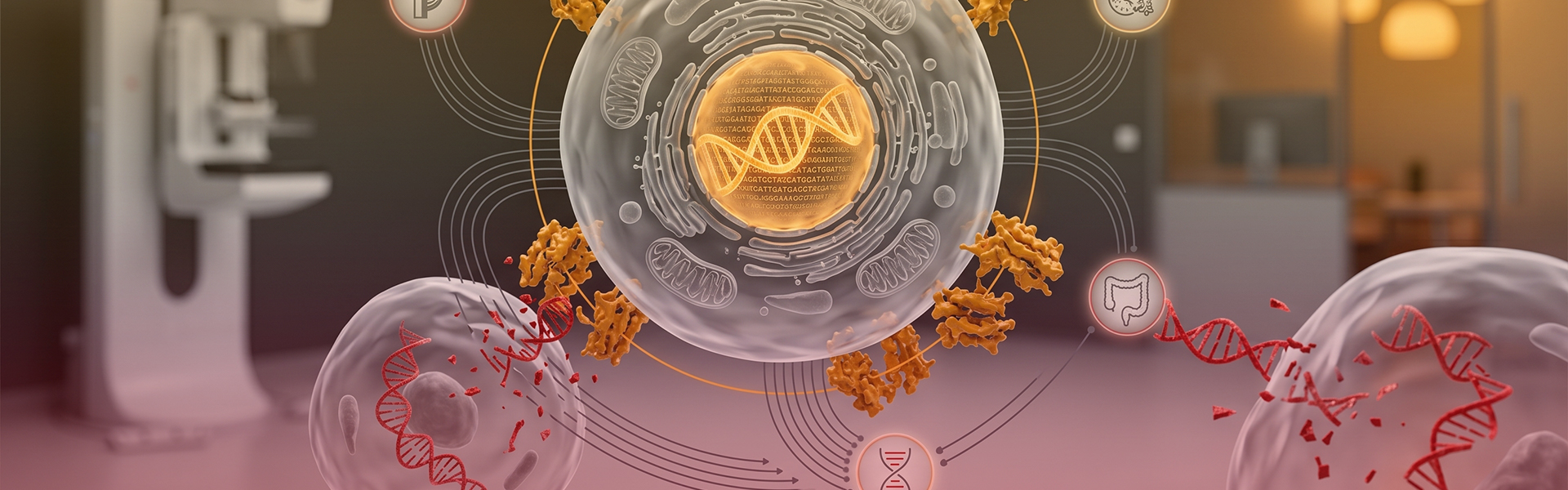
At KD Cancer Centre, Ahmedabad, we believe that prevention and early detection are the most powerful tools against cancer. Preventive oncology focuses on identifying cancer at its earliest stage, often before symptoms appear, when treatment is more effective, less invasive, and outcomes are significantly better.
15.6
Lakh
New cancer cases
in India (2024)
1 in 9
Indians will develop
cancer in their lifetime
11
%
Lifetime risk of cancer
in India
70
%
Cases diagnosed at
advanced stage
Source: ICMR – National Cancer Registry Programme (NCRP), JAMA Network Open Study, Government of India Health Data, Oncology Reports (2024–2025)
What is cancer screening?
Cancer screening involves specialised tests that detect early signs of cancer in individuals without symptoms. Early-stage cancers are usually localised and can be treated more successfully with less aggressive therapies.
Regular cancer screening can help
- Detect cancer before you feel any symptoms
- Improve survival rates significantly
- Reduce the complexity and cost of treatment
- Give you peace of mind and control over your health
Who should go for cancer screening?
Screening is recommended for everyone above 40. However, start earlier if you have
- A family member (parent, sibling) who had cancer
- Known genetic mutations (BRCA, Lynch syndrome)
- Habits involving tobacco, gutka, pan masala, bidi, or alcohol
- Previous history of cancer or pre-cancerous conditions
- Unexplained symptoms that have lasted more than 2 weeks
Risk factors are especially common in India.
Many cancers in India are directly linked to culturally widespread lifestyle choices. Understanding these risks can help you and your family take preventive action.
- Gutka, pan masala, and tobacco chewing: Strongly linked to oral, throat, and oesophageal cancers. India has the world's highest burden of oral cancer, largely due to this habit.
- Bidi and cigarette smoking: Increases risk of lung, oral, throat, and bladder cancer. Even passive (second-hand) smoke exposure increases risk for family members.
- Hookah (shisha): Increasingly popular among youth. NOT a safe alternative. One hookah session equals the smoke of 100+ cigarettes.
- Alcohol: Especially in combination with tobacco, dramatically increases cancer risk.
- HPV infection: A major cause of cervical cancer in women. The HPV vaccine is now available and recommended for girls aged 9–14 years.
- Indoor air pollution: Cooking over wood or coal fires, especially in rural or semi-urban areas, increases lung cancer risk in women who don't smoke.
- Low-fibre, high-fat diet: Increases risk of colorectal, stomach, and gallbladder cancer. Physical inactivity and obesity: Linked to breast, uterine, and colorectal cancers.
Types of cancer screening tests available
Physical examination
Our experts perform detailed clinical evaluations to identify early warning signs
- Breast examination for lumps, dimpling, or discharge
- Prostate screening (digital rectal examination — DRE)
- Oral examination — critically important in Gujarat, given high tobacco use
- Pelvic examination for women
- Skin examination for suspicious lesions or changes
- Lymph node assessment
Laboratory tests
- Pap smear — Cervical cancer screening (all sexually active women)
- HPV test — Detects high-risk strains of the Human Papillomavirus
- FOBT / FIT — Colorectal cancer screening (stool test)
- PSA test — Prostate cancer detection (men above 50, or 40 with family history)
- CA-125 — Ovarian cancer indicator
- AFP test — Liver cancer screening
Oral cancer screening — Critical for Gujarat
Given Ahmedabad's rising oral cancer rates, we strongly recommend annual oral examination for
- Anyone who uses gutka, pan masala, khaini, or betel nut
- Smokers (bidi, cigarette, hookah)
- Those who consume alcohol regularly
- Anyone with a white or red patch in the mouth lasting more than 2 weeks
- Anyone with a mouth ulcer that does not heal within 2 weeks
- Mammography — Breast cancer detection (women above 40)
- Low-Dose CT Scan (LDCT) — Lung cancer screening (smokers above 50)
- Colonoscopy / Sigmoidoscopy — Colon cancer screening (above 45)
- Ultrasound — Abdominal, thyroid, and pelvic organs
- MRI / CT Scan — Advanced imaging for high-risk patients
- BRCA1 & BRCA2 testing — Breast and ovarian cancer risk
- Lynch Syndrome testing — Colorectal cancer risk
- Comprehensive genetic panels for family cancer history
How to reduce your cancer risk: Simple steps
Prevention starts with daily choices. Research shows that up to 40% of cancers can be prevented through lifestyle changes
- Quit tobacco in ALL forms: Cigarettes, bidi, gutka, pan masala, khaini. De-addiction support is available at KD Cancer Centre.
- Limit alcohol. If you drink, keep it to a minimum.
- Eat more vegetables, fruits, legumes (dal), and whole grains. Reduce processed, fried, and red meat consumption.
- Stay physically active: 30 minutes of walking or exercise 5 days a week reduces cancer risk.
- Maintain a healthy weight. Obesity increases the risk of multiple cancers.
- Get your daughters HPV-vaccinated (ages 9–14) to prevent cervical cancer.
- Protect yourself from sun exposure: Use sunscreen and protective clothing.
- Know your family history and discuss it with your doctor.
Patient information available in Gujarati and Hindi
We understand that medical information is best understood in your own language. Ask our team for patient education materials in Gujarati or Hindi. Our counsellors are available to explain your screening results in the language you are most comfortable with.
Book your cancer screening today at KD Cancer Centre, Ahmedabad. Early detection is the greatest gift you can give yourself and your family.