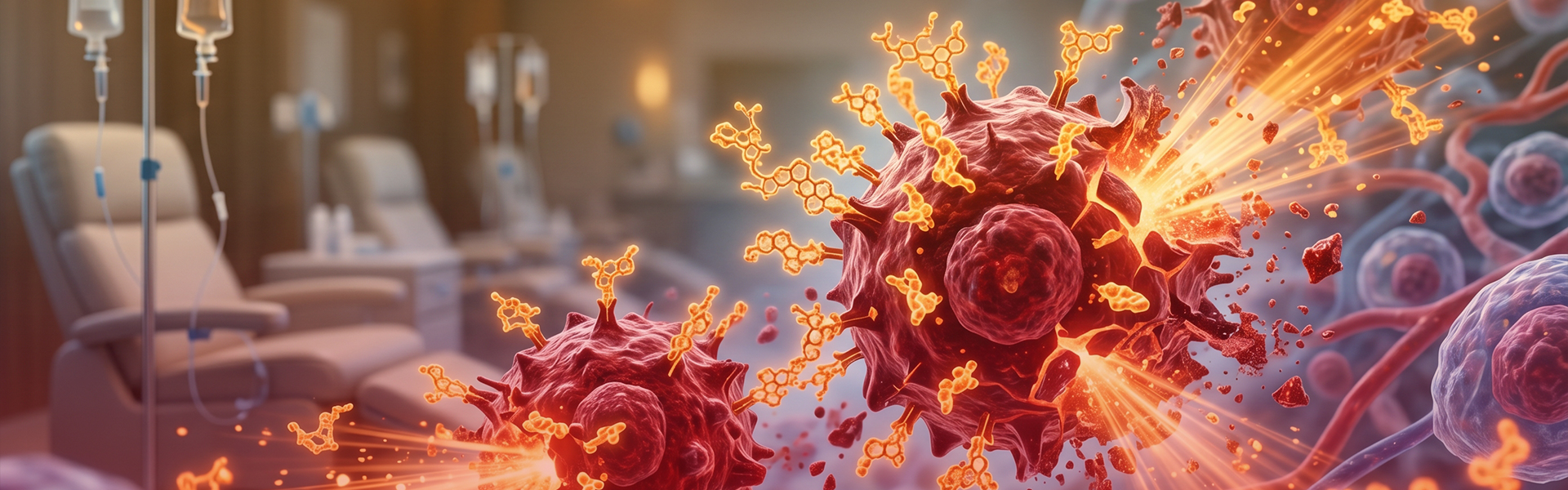
Medical Oncology focuses on treating cancer using advanced drug-based therapies. With advances in medical science, treatments today are safer, more precise, and tailored to each patient, offering better outcomes and improved quality of life.
Medical oncology is the branch of cancer care that uses medications to treat cancer throughout the body. These treatments target cancer cells, control disease progression, and prevent recurrence.
Unlike surgery or radiation, medical oncology treatments are systemic, meaning they travel through the bloodstream to reach cancer cells wherever they may be present.
Chemotherapy uses powerful drugs to destroy or slow the growth of rapidly dividing cancer cells. It can be used alone or in combination with targeted therapy, immunotherapy, surgery, and radiation.
Targeted therapy focuses on specific genes, proteins, or pathways that allow cancer cells to grow and survive. By targeting these markers, the treatment minimises damage to healthy cells and reduces side effects.
Immunotherapy strengthens the body's immune system to recognise and fight cancer cells more effectively. It has shown encouraging results in many cancer treatments, offering long-lasting control and improved outcomes. It can be given alone or with chemotherapy.
These treatments can be given through IV infusion, oral medications, injections, or other specialised methods, depending on the cancer type and stage.
Each treatment plan is personalised based on the cancer type, stage, molecular profiling, and overall health.
A positive mindset supports both physical recovery and emotional well-being.
Medical oncology is a journey of science, strength, and resilience. With chemotherapy, targeted therapy, and immunotherapy, cancer care today is more effective and personalised than ever before.
With expert medical care, emotional support, and hope, recovery and long-term control are possible.

Medical oncology is a branch of medicine that focuses on the diagnosis, treatment, and management of cancer using medications such as chemotherapy, targeted therapy, immunotherapy, and hormonal therapy.
Medical oncologists treat a wide range of cancers, including breast cancer, lung cancer, colorectal cancer, prostate cancer, blood cancers (like leukaemia and lymphoma), and many others.
Common treatments include chemotherapy, immunotherapy, targeted therapy, and hormone therapy. The treatment plan is personalised based on the type and stage of cancer.
Chemotherapy works by killing rapidly dividing cancer cells, while immunotherapy helps the body’s immune system recognise and attack cancer cells more effectively.
Hair loss depends on the type of treatment. Some chemotherapy drugs may cause hair loss, while others may not. Your oncologist will guide you based on your treatment plan.
Most treatments are not painful, although some may cause discomfort or side effects. Supportive care and medications are provided to effectively manage any symptoms.
The length of treatment depends on the type and stage of cancer, as well as the patient’s response to therapy. It can range from a few weeks to several months or longer.
Many cancers can be cured if detected early and treated appropriately. In advanced stages, treatment aims to control the disease, relieve symptoms, and improve quality of life.
Side effects may include fatigue, nausea, hair loss, loss of appetite, and increased risk of infections. These vary depending on the treatment and are usually manageable.
You should consult a medical oncologist if you have been diagnosed with cancer, have symptoms suggestive of cancer, or need a second opinion regarding your treatment plan.
Many patients can continue some or all of their regular daily activities, including work, during medical oncology treatment. However, this depends on the type of treatment, your overall health, and how your body responds. Some people may experience fatigue or other side effects that require rest or a reduced workload.
Your oncologist will guide you on the level of activity that is safe and help you plan a routine that balances treatment with daily life.
The cost of medical oncology treatment varies depending on the type of cancer, stage of the disease, and the treatment required, such as chemotherapy, immunotherapy, or targeted therapy. Costs may also vary depending on the duration of treatment and the hospital facilities. Your oncologist and care team will provide a detailed estimate and help you understand available insurance coverage or financial support options.
© KD Cancer Centre. All Rights Reserved.